

Enterprise IT planners frequently ask me whether DDR4 b […]
Enterprise IT planners frequently ask me whether DDR4 becoming obsolete should alter their near-term infrastructure purchasing plans. Platform transitions create genuine procurement anxiety when capital budgets face strict ROI scrutiny. Upgrading too early wastes critical capital on unnecessary bandwidth, while waiting too long leaves your operations exposed to component availability bottlenecks. You need an objective framework to align memory architecture with your actual operational lifecycles.
DDR4 is not obsolete in practical enterprise deployments, even though DDR5 now dominates current processor roadmaps. While DDR4 has passed its peak architectural generation, it remains in high-volume production, offers proven field reliability, and delivers superior total cost of ownership for general-purpose workloads, network appliances, and secondary storage nodes that do not require massive per-core memory bandwidth.
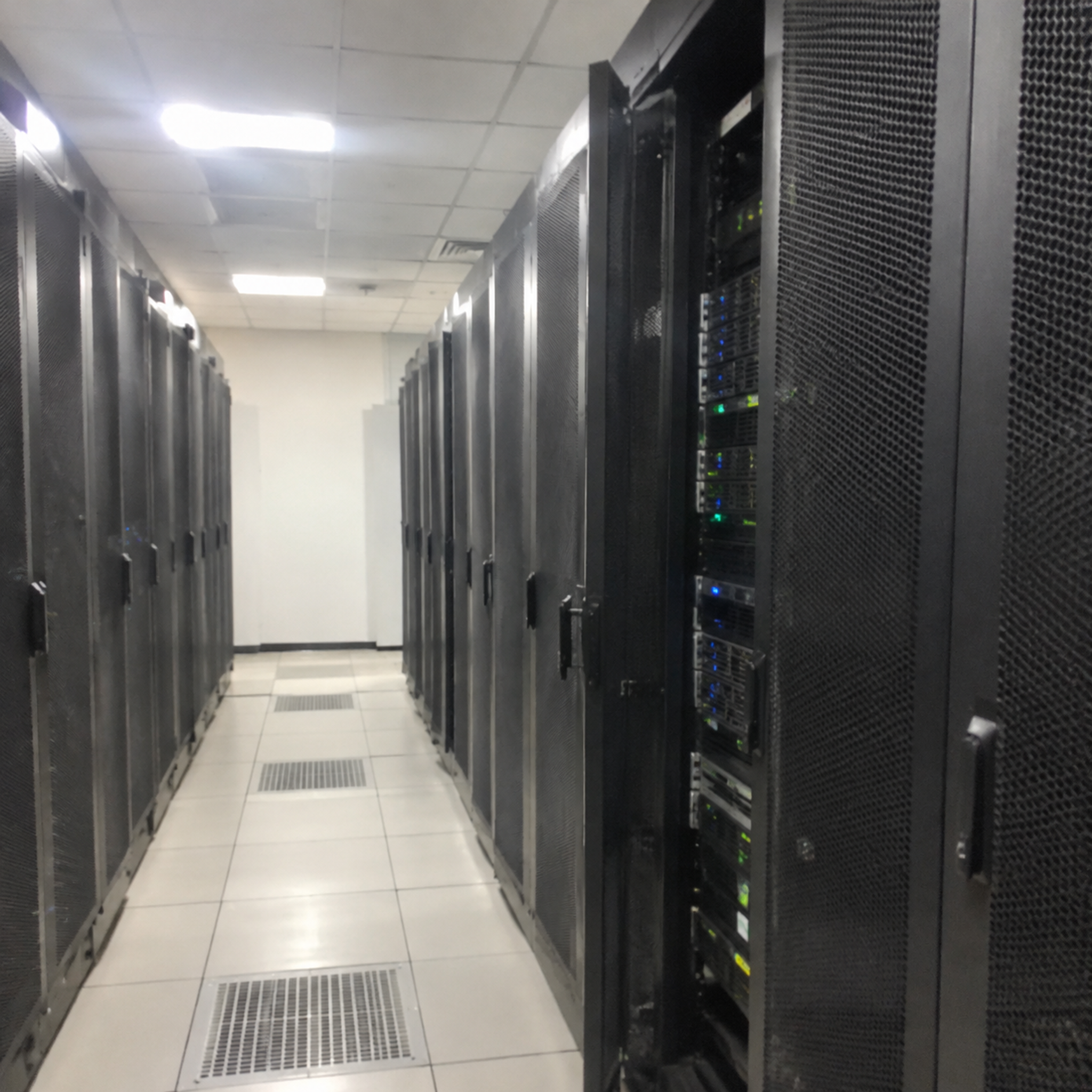
Making the right architectural decision requires looking beyond theoretical megatransfers and component marketing hype. I regularly sit down with system integrators and data center operators to evaluate complete bill-of-materials costs versus application performance targets. The following breakdown clarifies where legacy memory standards still make financial sense and where migration has become urgent.
Why are system integrators asking if DDR4 is becoming obsolete?
Enterprise procurement managers face intense pressure whenever major chipmakers launch next-generation server architectures. You worry that continuing to deploy current equipment will leave your business with stranded, unserviceable assets. This anxiety often stems from confusing consumer retail trends with the slower, highly disciplined lifecycles of enterprise server deployments.
Enterprise buyers ask if DDR4 is becoming obsolete because flagship server chipsets now exclusively utilize DDR5 memory channels[^1]. However, industrial obsolescence is dictated by production availability, spare part lifecycles, and firmware maturity rather than retail consumer launches. DDR4 remains actively fabricated, broadly supported, and deeply embedded across global enterprise supply chains.
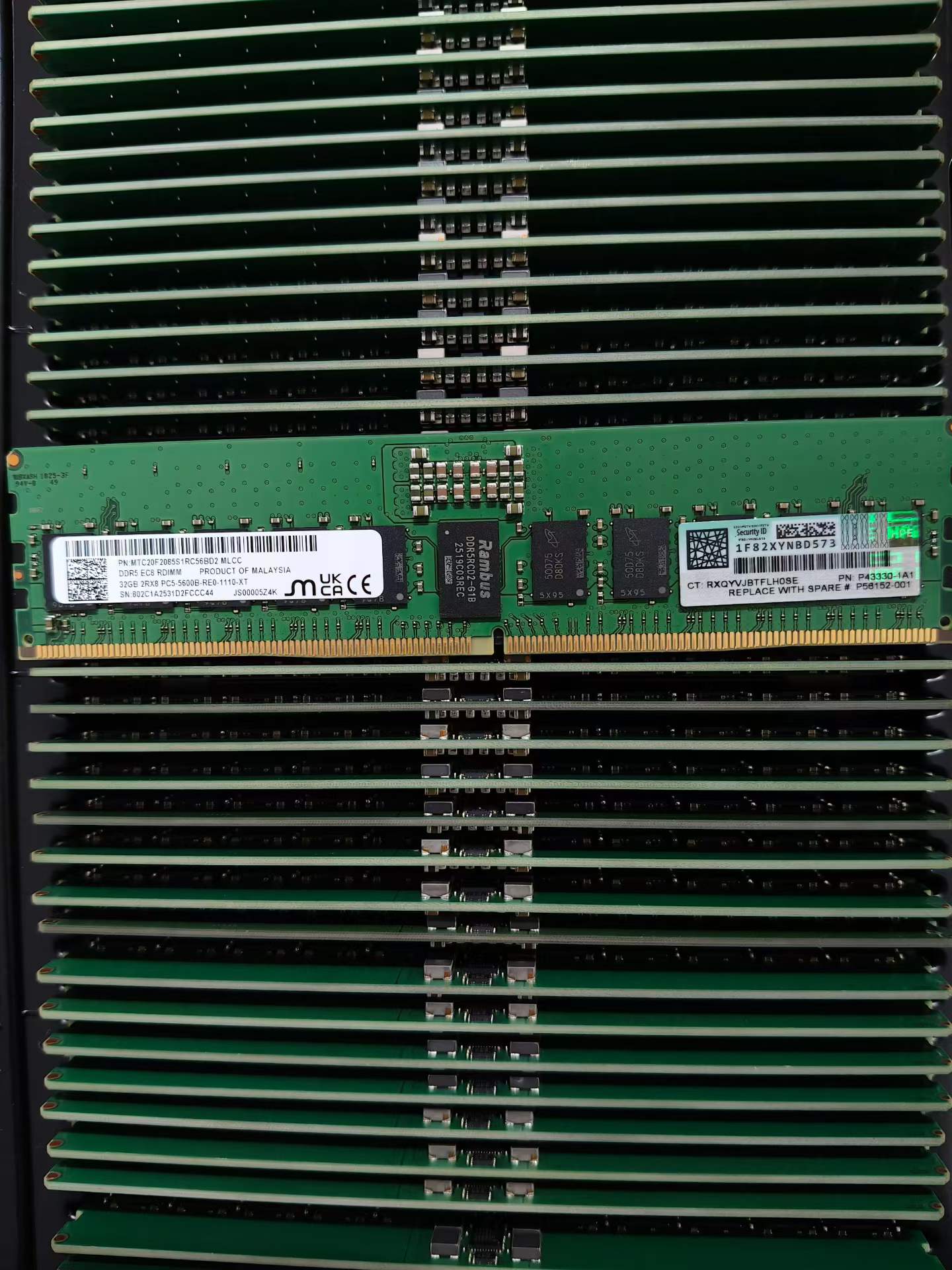
The Difference Between Consumer Hype and Enterprise Reality
The consumer PC ecosystem moves rapidly. Enthusiasts prioritize peak clock speeds, extreme memory bus overclocks, and the latest consumer sockets within months of release. Enterprise computing functions on completely different economic principles. In our OEM and ODM integration work, enterprise platform stability consistently ranks higher than bleeding-edge performance claims.
Server motherboards, specialized firmware revisions, and cooling configurations take months to validate in pilot test labs. When an enterprise platform achieves validation, system operators keep that hardware profile active for three to seven years. DDR4 platforms, such as servers based on 2nd and 3rd Gen Intel Xeon Scalable or AMD EPYC Rome and Milan processors[^2], are fully mature. Their microcode bugs have been patched, power delivery profiles are well-understood, and mean time between failures (MTBF) data is grounded in billions of operational field hours.
Consumer Hardware Focus: Peak Clock Speed (MT/s) -> Rapid Socket Deprecation (1-2 Years)
Enterprise Hardware Focus: MTBF & Stability -> Long-Term Supply Guarantees (5-7 Years)
Fabrication Maturation and Supply Longevity
Semiconductor manufacturers do not shut down memory fabrication lines overnight. Global memory fabrication plants rebalance silicon wafer capacity in measured stages over several years[^3]. Major memory producers continue running massive wafer volumes for DDR4 because industrial, networking, automotive, and edge appliances demand it.
- Production Volume: DDR4 production remains widespread globally to support existing hardware contracts.
- Price Stability: Current DDR4 modules avoid the early price premiums historically associated with younger silicon nodes.
- Firmware Support: Tier-one server vendors and independent BIOS developers maintain active vulnerability updates for DDR4 motherboards.
- Secondary Market Depth: Component recyclers, replacement part depots, and third-party maintenance providers maintain large global reserves of DDR4 DIMMs.
A memory generation only reaches true obsolescence when major wafer fabs shift tooling entirely to newer lithographies, secondary pricing inflates due to manufactured scarcity, and operating system vendors drop platform driver support. DDR4 remains years away from meeting those criteria.
What does platform TCO reveal about DDR4 becoming obsolete?
Swapping memory generations looks like an isolated component upgrade on a spreadsheet. In practice, technical buyers quickly discover that adopting new memory types triggers complete platform redesigns that alter thermal, power, and physical infrastructure. Evaluating these cascading capital costs determines whether a platform transition creates genuine business value.
Assessing whether DDR4 is becoming obsolete requires evaluating complete platform replacement costs rather than individual module prices. Transitioning to DDR5 mandates brand-new processor sockets, thicker printed circuit boards, updated power distribution units, and specialized cooling profiles. For budget-conscious enterprise deployments, mature DDR4 platforms maintain a substantially lower total cost of ownership.

The Hidden Costs of DDR5 Platform Migration
I often remind procurement clients that memory cannot be evaluated in a vacuum. You cannot plug DDR5 modules into existing DDR4 motherboards. The physical pin layout, key notches, signal lines, and voltage requirements are completely incompatible[^4].
When you decide to migrate away from DDR4, you are committing your budget to an entirely new system generation. That platform refresh requires substantial capital:
- Next-Generation Processors: Modern DDR5-capable server CPUs carry higher base unit costs than mature previous-generation processors.
- Complex Motherboard Layering: DDR5 runs at higher frequencies, which demands higher PCB layer counts and lower-loss dielectric board materials to prevent signal degradation[^5].
- On-Module Power Management (PMIC): DDR5 moves voltage regulation from the motherboard directly onto the memory module itself[^6]. While this step cleans up board-level power routing, it increases individual DIMM complexity and cost.
- Thermal System Upgrades: Higher density modules equipped with internal power management generate concentrated thermal hotspots that necessitate custom heat spreaders and higher chassis airflow.
Architectural Cost Breakdown
The table below contrasts the direct architectural and procurement characteristics between mature enterprise DDR4 platforms and newer DDR5 platforms:
| Architectural Metric | Enterprise DDR4 Platforms | Enterprise DDR5 Platforms |
|---|---|---|
| Typical Data Rates | 2133 MT/s to 3200 MT/s | 4800 MT/s to 6400+ MT/s |
| Voltage Regulation | Centralized on motherboard | Distributed on-DIMM (PMIC) |
| Module Nominal Voltage | 1.2V base standard[^7] | 1.1V base standard |
| Motherboard Complexity | Standard 8 to 12 layer boards | 12 to 16+ layer ultra-low-loss boards |
| Cooling Requirements | Standard server chassis airflow | Enhanced chassis airflow / aggressive baffles |
| Initial Silicon Cost | Fully amortized tooling / low cost | Premium pricing on latest microarchitectures |
| Procurement Cycle | Immediate off-the-shelf delivery | Subject to dynamic lead-time fluctuations |
When your workload does not exploit the raw throughput of next-generation processors, deploying DDR5 infrastructure locks up substantial capital in stranded performance. A DDR4 platform allows system builders to maximize core counts and storage density at a fraction of the initial capital outlay.
Which enterprise workloads prove that DDR4 is becoming obsolete?
Deploying latency-sensitive applications onto bandwidth-constrained nodes creates operational bottlenecks. Enterprise systems suffer when memory buses fail to deliver instructions quickly enough to sustain compute cores. Identifying specific software bottlenecks helps you decide when staying on DDR4 becomes a performance liability.
DDR4 is becoming obsolete specifically for memory-bound, highly parallelized enterprise workloads that saturate legacy bus throughput. Applications like dense artificial intelligence inferencing, distributed in-memory databases, and high-core-count multi-tenant virtualization hit measurable bandwidth bottlenecks on DDR4. Conversely, standard file servers, edge nodes, and web microservices show negligible gains from newer memory.
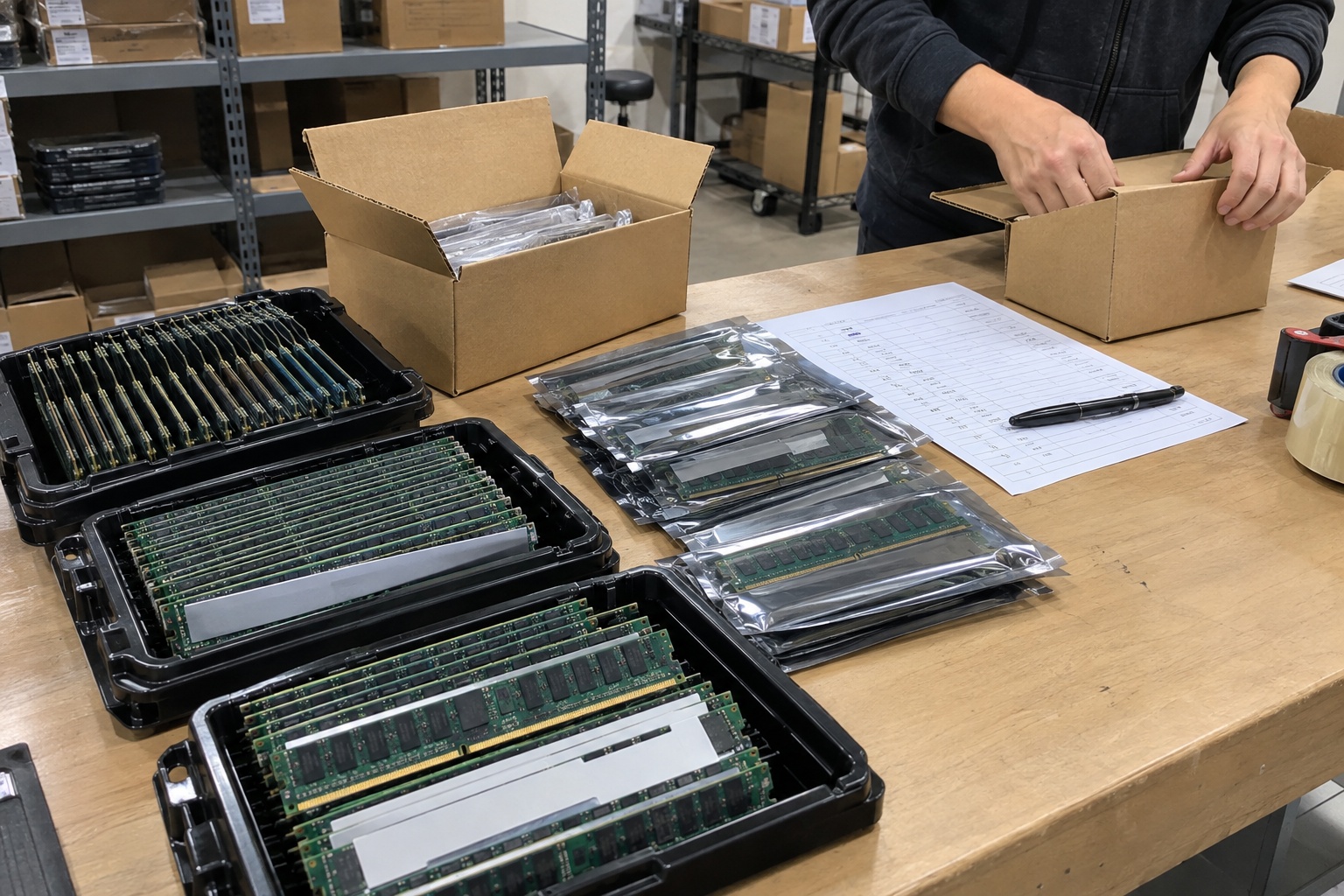
The Memory Bandwidth Bottleneck Explained
To understand where DDR4 falls short, we must examine core-to-bandwidth scaling. Modern enterprise processors feature 64, 96, or even 128 physical processing cores per socket[^8]. When you pack that many computing cores into a single socket, each individual core competes for a slice of the processor's total memory bus bandwidth.
Total Socket Bandwidth ÷ High Core Count = Starved Compute EnginesIf you pair a high-density, multi-threaded processor with DDR4-3200 memory, the memory bus cannot feed data quickly enough to keep the instruction pipelines full. The processor cores sit idle during memory access cycles. In memory-intensive computing, this delay degrades efficiency and spikes latency across the cluster.
"A server node with idle processor cores waiting on memory instructions represents wasted capital expenditure and excessive power draw."
Workloads That Demand Modern Bandwidth
Certain software stacks immediately justify the investment in DDR5 infrastructure:
- Large Language Model (LLM) Inference: Running localized AI models requires massive sustained parameter transfers from memory into processor caches.
- In-Memory Databases (SAP HANA, Redis): These data platforms hold active transactional datasets entirely in RAM, making bus frequency the primary performance determinant[^9].
- High-Density Multi-Tenant Virtualization: Packing dozens of active virtual machines onto dual-socket nodes exhausts per-VM memory allocation and bus queues simultaneously.
- High-Performance Scientific Computing (HPC): Fluid dynamics, seismic modeling, and financial risk simulations depend directly on sustained double-precision floating-point throughput.
Workloads That Thrive on DDR4 Infrastructure
In contrast, a vast percentage of typical enterprise deployments never come close to saturating a DDR4 memory bus. Standard infrastructure workloads are routinely bounded by network I/O, storage drive latency, or physical storage capacity rather than RAM throughput.
- Network-Attached Storage (NAS) and Object Storage: ZFS storage appliances and Ceph storage nodes need large quantities of reliable ECC RAM for caching, but data throughput is strictly limited by your 10GbE or 25GbE network links[^10].
- Edge Computing and Branch Appliances: Remote offices, factory control units, and micro-appliances require industrial thermal tolerances and low power consumption over sheer megatransfers.
- Standard Web Servers and Microservices: Containerized application routing, API proxies, and basic web tiers consume modest CPU cycles and standard memory allocations.
- Secondary Disaster Recovery Nodes: Standby replication targets benefit far more from reduced acquisition costs than cutting-edge bus speeds.
For these application profiles, claiming that DDR4 is obsolete ignores practical operational realities. DDR4 delivers rock-solid stability and predictable performance without inflating the deployment budget.
How can enterprise buyers manage lifecycle risks as DDR4 ages?
Relying indefinitely on older memory generations exposes procurement managers to eventual component shortages and unexpected price spikes. IT infrastructure leaders must avoid both premature capital migration and late-stage component scarcity. Developing a phased procurement roadmap preserves supply chain agility while protecting ongoing infrastructure reliability.
Enterprise buyers manage hardware transition risks by matching procurement strategies to realistic platform deprecation timelines. IT managers should audit legacy node lifecycles, stockpile certified replacement modules for mission-critical DDR4 clusters, and validate DDR5 platforms for future scalability. This dual-track procurement approach prevents supply-chain disruption while optimizing hardware depreciation cycles.
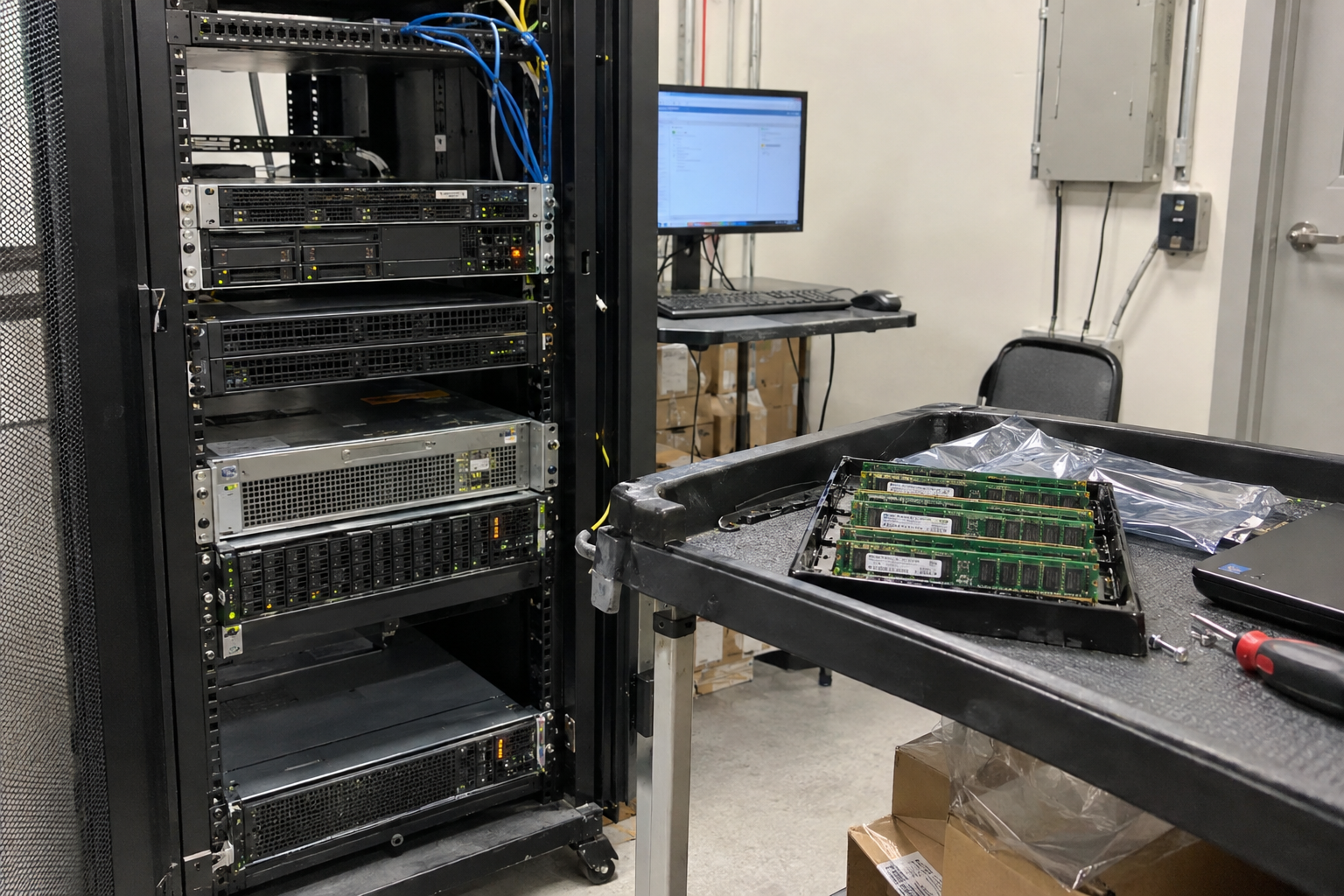
Developing a Phased Hardware Fleet Roadmap
Navigating component transitions successfully requires avoiding sudden, all-or-nothing decisions. During our technical consultations with infrastructure planners, I recommend categorizing compute fleets into discrete lifecycle tiers.
Phase 1: Maintain & Reserve -> Phase 2: Dual-Track Deployment -> Phase 3: Total Platform MigrationPhase 1: Preserve and Consolidate Mature Platforms
For servers deployed within the last two to three years, the most cost-effective path is lifecycle completion. Verify existing component service contracts, source certified replacement modules, and maintain standard hardware configurations. Standardizing spares prevents costly diagnostic headaches when servicing active racks.
Phase 2: Introduce Next-Generation Platforms for Scalable Tiers
When expanding compute clusters intended for high-growth, high-throughput applications, introduce modern DDR5-based platforms. This strategy allows your technical staff to validate new firmware, refine rack thermal management, and update deployment automation scripts without threatening active production clusters.
Phase 3: Transition and Decommission
As previous-generation server platforms reach full accounting depreciation (typically four to five years), decommission secondary DDR4 nodes in organized waves. Harvest working memory modules to support the remaining legacy systems, and transition the freed rack space to mature next-generation hardware.
Hardware Quality Control and Component Verification
As memory architectures age, procurement teams must enforce strict vendor evaluation metrics. Gray market components and lower-tier refurbished modules often flood the channel as primary fab allocations shift.
- Demand Certified Origin Documentation: Ensure that distributors and OEM partners provide traceable component provenance to prevent the introduction of remarketed or counterfeit memory dies.
- Enforce Rigorous Factory Burn-In Testing: Require suppliers to run automated thermal-stress and dynamic voltage testing on all assembled server platforms prior to delivery[^11].
- Verify True ECC Support: Ensure that all procured server memory incorporates genuine Error-Correcting Code (ECC) registers to prevent uncorrectable bit errors in production.
- Validate JEDEC Standard Compliance: Avoid proprietary or non-standard module pinouts that complicate vendor-neutral maintenance down the road.
Following these procurement quality controls protects your organization against unexpected hardware failures, keeping legacy nodes reliable until their planned retirement dates.
Frequently Asked Questions
Will DDR4 memory prices increase as production declines?
DDR4 module pricing will eventually rise once global semiconductor foundries reduce manufacturing capacity below enterprise demand levels. In the near term, pricing remains competitive due to large production volumes and widespread inventory. Procurement planners should secure required spare quantities before fabs shift silicon production entirely to next-generation memory standards.
Can I install DDR4 modules into DDR5 server motherboards?
You cannot install DDR4 memory modules into DDR5 server motherboards. DDR4 and DDR5 feature distinct physical notch positions, different pin counts, and incompatible signaling protocols. DDR5 moves voltage regulation directly onto the DIMM, whereas DDR4 relies on the motherboard. Upgrading to DDR5 requires purchasing a compatible motherboard, processor, and memory.
How long will enterprise hardware vendors support DDR4 platforms?
Tier-one enterprise vendors typically provide technical support and replacement parts for server platforms for five to seven years after release[^12]. Major operating system developers maintain driver compatibility and kernel patches throughout these support windows. Buyers can safely deploy DDR4 systems today with the expectation of multi-year operational support and firmware maintenance.
Is DDR4 fast enough for modern edge computing nodes?
DDR4 is more than fast enough for most industrial edge computing nodes, smart factory controllers, and IoT gateways. These edge environments generally require thermal resilience, high reliability, and low power consumption rather than high-frequency memory bandwidth. Mature DDR4 platforms provide proven environmental tolerance and cost efficiency for decentralized field installations.
Conclusion
Determining whether DDR4 becoming obsolete threatens your data center strategy comes down to workload profiling and lifecycle planning. DDR4 is far from obsolete for file storage, edge computing, standard virtualization, and secondary enterprise nodes. It offers stable performance, fully amortized platform costs, and dependable component availability. Only high-density, memory-choked computing applications demand an immediate leap to newer memory architectures.
Balancing infrastructure capital expenditures with real-world performance requires custom hardware engineering and disciplined component sourcing. Contact our team today to evaluate your upcoming server deployments, explore custom OEM/ODM hardware configurations, and secure stable enterprise infrastructure built specifically for your application demands.
[^1]: "Emerald Rapids", https://en.wikipedia.org/wiki/Emerald_Rapids. Architectural technical documentation demonstrates that contemporary flagship enterprise x86 processor lines mandate DDR5 memory channels, omitting legacy DDR4 support. Evidence role: general_support; source type: research. Supports: Flagship enterprise CPU platforms such as 4th/5th Gen Intel Xeon Scalable and AMD EPYC 9004 series transitioned exclusively to DDR5 memory channels.. Scope note: Applies strictly to modern enterprise platforms like AMD Zen 4 EPYC and Intel 4th/5th Gen Xeon Scalable, excluding embedded or low-power variants. [^2]: "Cascade Lake", https://en.wikipedia.org/wiki/Cascade_Lake. Microprocessor platform registries document that 2nd and 3rd Gen Intel Xeon and AMD EPYC Rome/Milan generations deployed DDR4 memory subsystems. Evidence role: historical_context; source type: encyclopedia. Supports: Second and third generation Intel Xeon Scalable and AMD EPYC 7002/7003 series processors were architected around eight-channel DDR4 memory subsystems.. [^3]: "DDR4 Phase-Out Shakes Up Memory Market", https://www.allpcb.com/allelectrohub/ddr4-phaseout-shakes-up-memory-market. Market analyses of semiconductor fabrication lifecycles observe that foundries balance DRAM wafer allocations across standards over a prolonged multi-year horizon. Evidence role: mechanism; source type: research. Supports: Foundries migrate silicon wafer allocations across memory technology generations incrementally over multi-year cycles to maintain amortized profitability and meet legacy contracts.. Scope note: Specific wafer reallocation schedules depend on aggregate consumer electronics demand and fab retooling capital expenditure cycles. [^4]: "DDR4 vs DDR5 pin Comparison Image Courtsey to JEDEC ...", https://www.facebook.com/mohitsaperiya/posts/ddr4-vs-ddr5-pin-comparison-image-courtsey-to-jedec-/123044866118409/. JEDEC standards define incompatible mechanical keying, pin assignments, and electrical profiles between DDR4 and DDR5 DIMMs. Evidence role: definition; source type: institution. Supports: DDR4 and DDR5 memory modules feature differing pinouts (288-pin layouts with distinct key notches), signaling paths, and operational voltage requirements that prevent interoperation.. [^5]: "DDR5 PCB Layout Guidelines: Design Rules and Best ...", https://jlcpcb.com/blog/ddr5-pcb-layout-guidelines. High-speed circuit design studies demonstrate that operating at DDR5 data rates requires higher PCB stack-up layers and low-loss dielectrics to satisfy eye-diagram signal integrity margins. Evidence role: mechanism; source type: paper. Supports: High-frequency memory buses in DDR5 designs necessitate low-loss laminate dielectric substrates and increased PCB layer counts to preserve channel margin and mitigate insertion loss.. Scope note: PCB stack-up requirements vary based on trace length, channel routing density, and motherboard form factor. [^6]: "PMIC5000/PMIC5010 Power Management IC Standard", https://www.jedec.org/standards-documents/docs/jesd301-1a03. JEDEC specifications define the transition in DDR5 to localized on-DIMM PMICs for voltage step-down, reducing voltage regulation dependencies on the main system board. Evidence role: mechanism; source type: institution. Supports: The DDR5 standard incorporates an on-DIMM Power Management Integrated Circuit (PMIC) to handle voltage step-down and regulation directly on the module.. [^7]: "DDR4 SDRAM", https://en.wikipedia.org/wiki/DDR4_SDRAM. According to JEDEC standard JESD79-4, DDR4 SDRAM operates at a nominal supply voltage of 1.2V, down from the 1.5V base of DDR3. Evidence role: definition; source type: institution. Supports: JEDEC standard JESD79-4 establishes 1.2V as the nominal supply voltage (VDD) for standard DDR4 SDRAM devices.. [^8]: "Epyc", https://en.wikipedia.org/wiki/Epyc. Processor architecture roadmaps confirm that high-density enterprise server platforms achieve core counts reaching 96 to 128 physical cores per single socket. Evidence role: statistic; source type: research. Supports: Current enterprise server CPU families (such as AMD EPYC 9004 and Intel Xeon 6) scale up to 64, 96, and 128 physical cores per socket.. Scope note: Maximum core counts apply to specialized cloud and high-density virtualization SKUs rather than entry-level enterprise processors. [^9]: "Exploring Fine-Grained In-Memory Database Performance ...", https://www.computer.org/csdl/journal/td/2023/06/10086665/1LUpIKQjxp6. Benchmarking studies of in-memory data management systems identify memory bus bandwidth saturation as a primary bottleneck during intensive transactional and analytical processing. Evidence role: general_support; source type: paper. Supports: In-memory database workloads rely heavily on raw memory bus bandwidth and access latency as primary limits on query throughput.. Scope note: Workloads with small active working sets that fit into CPU cache hierarchies show less dependency on raw memory bus frequency. [^10]: "Guidelines for sizing CEPH cluster network bandwidth?", https://www.reddit.com/r/ceph/comments/159ljf6/guidelines_for_sizing_ceph_cluster_network/. Empirical network storage evaluations show that 10Gbps and 25Gbps network fabrics act as the dominant throughput bottleneck for remote file and object stores before DDR4 bus saturation. Evidence role: mechanism; source type: paper. Supports: Standard storage cluster nodes often saturate 10GbE or 25GbE network fabrics long before exhausting the multi-gigabyte-per-second throughput of a DDR4 memory bus.. Scope note: Does not apply to NVMe-over-Fabrics (NVMe-oF) architectures running on 100GbE or faster interconnects. [^11]: "Burn-In Testing: Filtering Out Infant Mortality in Critical ...", https://www.pcbcart.com/article/content/burn-in-testing-electronics-reliability.html. Reliability engineering research validates that combined elevated thermal exposure and dynamic voltage stressing effectively detect early-life failures described by the bathtub failure curve. Evidence role: mechanism; source type: paper. Supports: Dynamic voltage and thermal stress burn-in testing accelerates infant mortality failures, screening out marginal silicon and assembly defects in enterprise hardware.. [^12]: "Thoughts about server lifespans? 3-5 years? More? How ...", https://www.reddit.com/r/sysadmin/comments/cnyl13/thoughts_about_server_lifespans_35_years_more_how/. Data center asset lifecycle studies document standard OEM post-warranty and end-of-service-life policies supporting operational hardware for 5 to 7 years. Evidence role: general_support; source type: research. Supports: Enterprise server OEMs routinely establish five- to seven-year active support, firmware patching, and spare-parts availability windows following hardware release.. Scope note: Extended support in years six and seven frequently requires premium tier support contracts or third-party maintenance providers.
发表回复